May 1

Launching into Poetry

Launching a unit in poetry means that we need to immerse ourselves in poems of course! Lots and lots of poems–not only written by famous poets like Shel Silverstein, T.S. Eliot, Naomi Shihab Nye, Dennis Lee, and Sheree Fitch, but also poems written by my past students. So not only are we reading poetry, but we will be writing poetry too.

Our focus in this unit is on writing non-rhyming poems (free-verse poetry) and really learning how to use language to bring life to our thoughts and look at the world in different ways. I really love for students to learn to write free-verse poems because there are no rules and it gives permission to the students to think outside the box rather than conform to a certain structure. It really allows them to think freely and not have to worry about rhyming words so much.

So, what is poetry anyway? Some might say poetry is powerful words and that poems are hiding everywhere. Others may say poetry helps us tell a story, express our feelings, helps us heal.

Poems can be silly, nonsensical, sad, joyful, sorrowful, bright, confusing, thought-provoking, simple, complex, and so much more.


What’s the difference between poetry and prose?

Prose…

  • ideas and sentences make sense
  • organized into sentences, paragraphs
  • uses rules (e.g., grammar, punctuation, capitals, spelling)
  • uses everyday speech

Poetry…

  • can be nonsensical
  • has stanzas and deliberate line breaks
  • doesn’t have to follow rules
  • can have rhythm and flow
  • words are chosen carefully and are precise (e.g. metaphors)
April 22

Rosary Making

We’ve been so blessed to invite Miss Karina into our classroom to teach us about how to make a rosary from scratch. We were treated to several lessons on choosing our colours, rolling the correct number of beads, punching holes with a toothpick, and finally stringing the beads properly. Miss Karina has been making rosaries with classrooms for many years now and is definitely an expert!

We are so excited to finally take them home and pray the rosary at home with our families.

Way to go Grade 3s! Your rosaries look beautiful.

You should be proud!

Thank you to Miss Karina for your expertise, time, and patience with this special project. 


April 12

Social Studies Projects Part 2: Green Screen

As the last part of our Social Studies projects, we had a little fun embedding ourselves inside our projects using a green screen. Mrs. S uses the app called Do Ink. You can use a green table cloth or fabric and have a lot of fun with the app. We have 1 more photo to add but here’s most of our projects. Enjoy!

April 4

April Activities

Our Gr.3 students have been very busy with all sorts of activities lately. One of our activities was using various line designs to create textured fur on our bunny rabbits. Students can be seen in the middle of this art task. 

Here, students were asked to go on a scavenger hunt in the Bible. They were asked to find 12 different Bible readings all having to do with Lent and Easter. Wonderful work, Grade 3s!

Students presented their social studies projects to 2 different classes. They needed to design a shoebox diorama of either an indigenous community in Canada or an early settler community. They looked so fantastic!

In math we’ve been learning about money. This is always a fun unit for students. We are counting coins, making change, and going shopping in our own classroom!

March 29

Busy Bees in Room 117

Our classroom has been a hive of activity the last month.

Allow us to share some of our activities and learning with you!

Robyn Michaud, an Anishinaabe community member, came in to teach us about the importance of beads and how beads are communication and the colours and patterns tell a story.

The earliest First People did not write. They communicated through their beadwork. When settlers came from Europe, they had to make agreements. First Nations People used beadwork to communicate these agreements. These agreements were called treaties. 

Robyn brought buckets of beads and some ribbon for us to tell our own stories. Each colour and pattern was specific to us and showcased special memories and favourite things in our lives.

In math, we used the Bee Bots to explore movement on a grid. We practiced using language such as up, down, left, right, and turning the Bee Bot. For instance, 1/4 turn clockwise or 1/2 turn counterclockwise. We liked playing with the Bee Bots and coding instructions for them to follow.

Learning about perimeter and area led us to some creative work with designing an animal sanctuary on giant grid paper. Students were given a list of the items in the sanctuary that had to be included such as 5 animal enclosures, a picnic area, and a snack shack. We had to be able to state the perimeter and narea for all of the criteria given to us. You can see the students working together to design their projects and then presenting them to the class.

Just before March Break, we built 3D shapes using marshmallows and toothpicks. We reviewed the terms congruent, prisms vs. pyramids, 2D shapes within the 3D shapes, and maybe even invented some of our own shapes along the way!

Making leprechaun traps was something our class wanted to do, so that’s exactly what happened the afternoon before March Break. Were they successful? I’m not sure, but they sure had fun making them!

February 19

Our Little Words

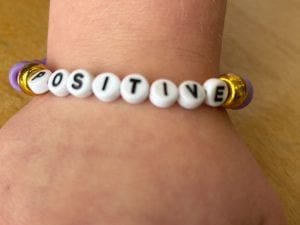
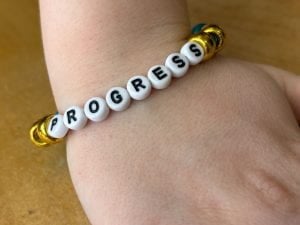
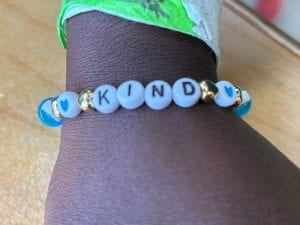
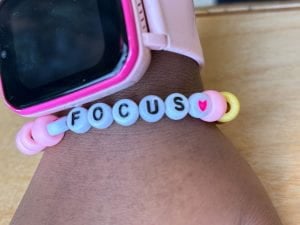
When we came back to school last month, we started off 2026 by reflecting on one word that resonates with each of us. Perhaps it’s a word that reminds us to focus on something we want to achieve within ourselves such as being brave, courageous, kind, understanding, etc.

To help us think about this, we read a book called One Word for Kids by Jimmy Page, Jon Gordon and Dan Britton.

We created bracelets with this word, too! Our words are displayed in our classroom as a visual reminder of the word we chose and the WHY behind it.

Mrs. Sullivan’s word was “Family” because she wants to carve out even more time to spend with them. They are the most important thing in her life.

Have a listen to the book!

February 18

Lent has Begun

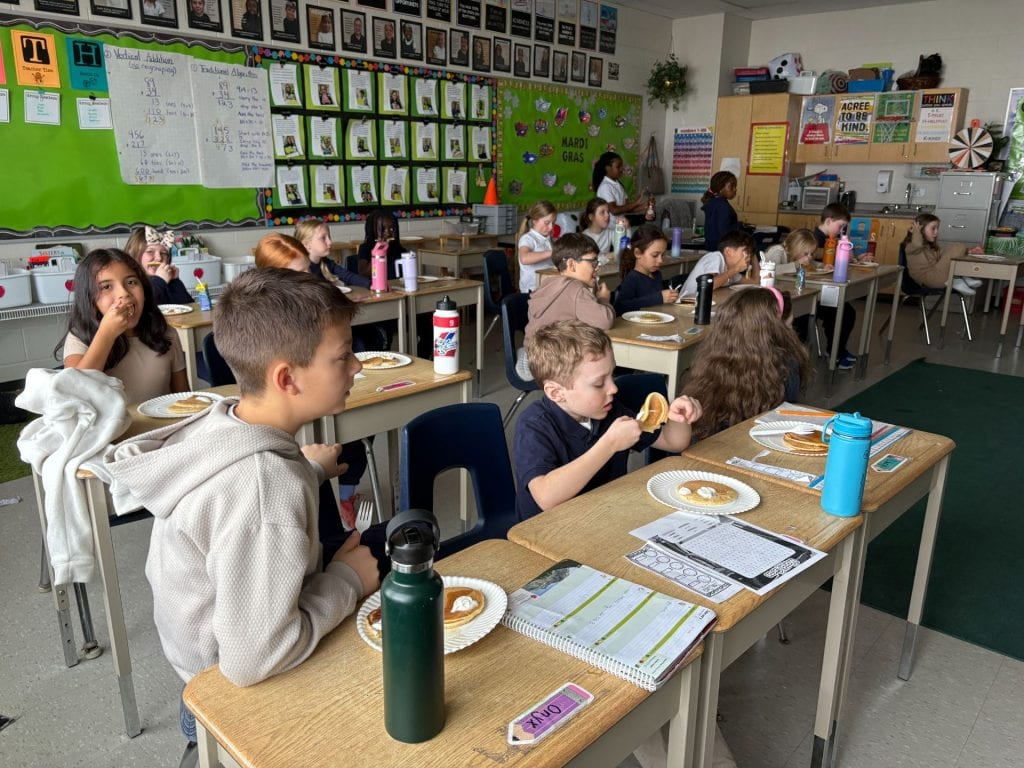
On Tuesday, we celebrated Shrove Tuesday, also known as Fat Tuesday or Mardi Gras. The word shrove comes from shrive, meaning to confess. This day marks the beginning of our preparation for the 40 days leading up to Easter—a time for fasting, praying, and reflecting on Jesus’ sacrifice.

Traditionally, people would use up rich, “fattening” foods such as eggs and milk before the Lenten fast began. Pancakes were a perfect way to use these ingredients, which is why they became a classic Shrove Tuesday treat—and of course, we had to enjoy some ourselves! Many Christians also visit their church on this day to confess their sins and prepare their hearts for the Lenten season.

What about you—what’s your favourite pancake topping? Do you enjoy fruit, whipped cream, chocolate chips, syrup, or jam?

Today is Ash Wednesday, a day that marks the beginning of the Lent. We received ashes on our foreheads. The ashes used come from burning the palm branches that were blessed and used during the previous year’s Palm Sunday celebration. After the palms are burned, they are blessed by a priest before being used in the Ash Wednesday service.

Why ashes from palms? Palms are used on Palm Sunday to remember Jesus’ entry into Jerusalem, when crowds welcomed him by waving branches.

How will you prepare during Lent? Will you give up or sacrifice something? 


February 17

Happy Valentine’s Day

Happy Valentine’s Day everyone! We celebrated by passing out Valentines, having a dance-a-thon in the gym with glo-sticks and some rockin’ music. We also had a Valentine’s bingo and Flashlight Friday as well.  Phew! What a day.

You all make our classroom a great place to be. I am proud to be your teacher.

🙂 Love, Mrs. Sullivan